
Breaking the Pattern: How to talk about sex with your long-term partner before it’s too late
We dive deep into the complexities of sex and intimacy in long-term relationships. They explore the nuances of discussing sex with your partner, whether you've been together for six months or sixteen years.
Powered by RedCircle
In the previous episode, Andrea and Hannah talked about the challenges and joys of talking about sex with someone new. In this episode, they dive deep into the complexities of sex and intimacy in long-term relationships. They explore the nuances of discussing sex with your partner, whether you've been together for six months or sixteen years.
What you'll discover:
Practical tips for initiating and navigating sex talks with your partner
The importance of creating a safe and non-judgmental space for intimate conversations
How to understand and communicate your 'erotic blueprint' for a more fulfilling sex life
Expert insights on supporting each other through sexual changes and transitions
Strategies for addressing mismatched libidos and keeping passion alive
The impact of life changes and hormonal shifts on sexuality and intimacy
How open dialogue can deepen your connection and enrich your relationship
Join Andrea and Hannah as they demystify sex in long-term relationships and provide a roadmap for enhancing your intimate connection. This honest conversation will leave you feeling empowered and ready to explore the depths of your relationship in whole new ways.
If you love this episode, Rate and Review us on iTunes

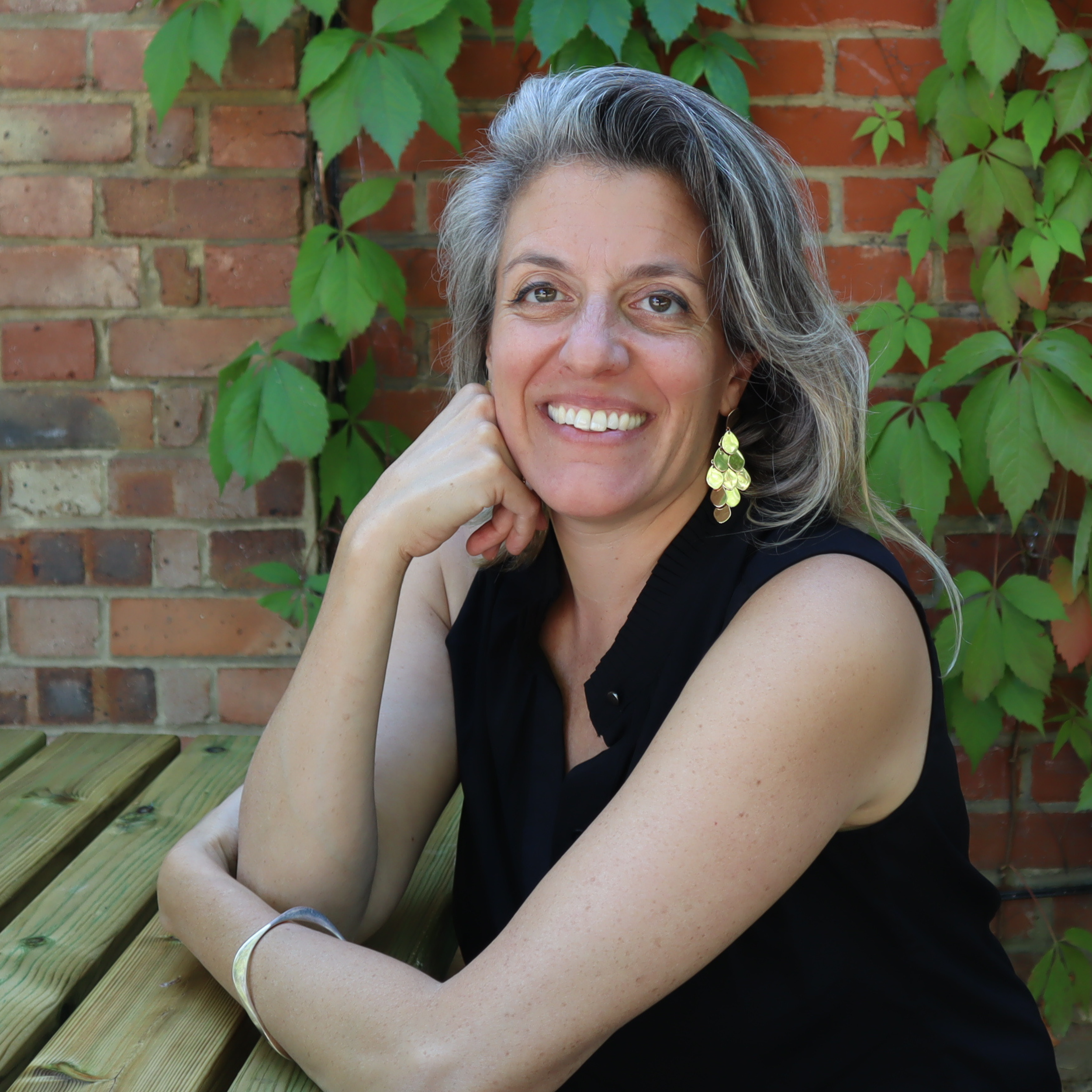
Meet our guest:
Hannah Franklin
Hannah is a neuroscientist and entrepreneur who, like most of us, is curious about sex and how we talk about it. She is very open and has had many deep discussions about sex with her friends, but has always found it a challenge to broach the subject with those she cares most deeply about.
We sat down for a candid conversation on how to make talking about sex easier.
Meet your host:
Andrea Balboni
Andrea is a certified Sex, Love and Relationships Coach at Lush Coaching.
Her mission is to help people experience pleasure and fulfilment in their intimate lives.
From finding love naturally and easily, to deepening connection and resolving conflict with ease, to keeping passion alive over the long-term, Andrea supports individuals and couples in all phases of intimate relationships.
Work with Andrea - Book a 30 minute consultation call and learn how coaching can help.
Let’s continue the conversation
Breaking the Pattern: How to talk about sex with your long-term partner before it’s too late
Andrea: [00:00:00] Hannah is a good friend who like so many of us is deeply curious about sex, but didn't know who to ask about the more perplexing elements of this human experience. Sex is a topic that rarely gets discussed in ways that actually help us have better experiences. Whatever better looks like to you. Even more rare are opportunities to learn from someone who studied it professionally for years.
That's why Hannah and I decided to record our raw conversations about the intricacies of sex and intimacy and share them with you so that you can explore alongside of us. From practical questions like, how do I talk about sex in a new relationship to more esoteric explorations like what makes sex sacred.
We dive into the beautiful complexity of intimate relationships. This is the Lush [00:01:00] Love podcast, and I am your host, Andrea Balboni. I'd love to hear what our conversation brings up for you. So meet me on Instagram and share your thoughts. And if we don't cover something you're curious about, send me a DM and I'll be sure to address it. For now, sit back and listen in.
Hannah: Hello again.
Andrea: Hello, Hannah. How you doing?
Hannah: Good, thank you. How are you?
Andrea: Doing all right. Thank you. Excited for our conversation today.
Hannah: Me too. So we've covered a lot so far, and we touched a bit upon how to navigate the topic of sex in a new relationship. Um, which I think we both came to the conclusion that it's pretty nuanced and complicated, but your advice was, you know, have that conversation, have it early, and keep it simple, which I think is fantastic advice.
So I think what a lot of people might be thinking and I'm definitely thinking about is, okay, that's, [00:02:00] that's great. But what about when you've been with someone for a little while and you want to bring up the conversation of sex? It may be because you are not necessarily quite satisfied with, with your sex life or, um, you know, for whatever a variety of reasons things have changed and you want to talk about it.
It's more complicated perhaps than with someone that you've only just met. Um, so it'd be great to kind of dig into that and hear any advice you might have.
Andrea: Mm-hmm. So if you've never talked about sex before with your partner openly, then yes, it can definitely feel hard, difficult, and also complicated. Or if you've maybe spoken about sex, but it's always been great and now things are changing, then it can also feel tough as well because instead of saying, yeah, I love the sex we have, it's so great being intimate with you.
It's like, ah, it's not feeling as good as it [00:03:00] used to, or my body isn't responding like it used to. And even that question kind of is a person who's maybe had a little bit of, uh, thought around what is going on with them, um, or for people who have never spoken about it and get to a point in their lives where they're like, okay, I don't think we're having the sex that we could be having, or I'm not experiencing pleasure, like I would like to and and never have.
Then how do you bring that up? 'Cause it can feel like, hmm, you don't wanna hurt the other person. You don't want the other person to be offended. And also, again, it might just feel awkward or you might just not know, like, how do I bring this up and how do we talk about this and how do we navigate it? What's going on? So many different questions.
Hannah: Talking about, you know, you've been in a relationship for a while and you've never spoken about sex.
Andrea: Mm-hmm.
Hannah: And so it's, you know, you've kind of perhaps had a bit of a realization that, you know, could it be better? Is there more to explore? You know, am I [00:04:00] pleasuring my partner? Do they, you know, is, is, is, is this something that we could level up?
Andrea: Mm-hmm.
Hannah: You know, or it could, you know, it could be better, but we've never spoken about it. So how do you bring that up after 2, 5, 10, 15 years?
Andrea: Yeah. So actually quite similar to talking about sex in a new relationship, outing yourself first and saying it's quite awkward because we've never really talked openly about this, have we?
You can even ask the person for valid, like, you know, confirming. Yeah, we've never really talked about it. Um, and it's important to me because I would love to experience something with you that maybe is a bit different from what we have, or I would love to explore this with you and I'm just not quite sure how to go about it.
So can we have a conversation inviting the conversation in? Can we have a conversation about sex and our intimate life? Is there a good time? Is there a good place? So [00:05:00] when you invite that conversation for the first time, it again probably will feel awkward even if you've been with someone for a long time because it's the first time you've spoken openly about it.
And there may be a lot that's not said and a lot that's assumed. Um, so knowing it's gonna maybe, potentially feel a bit awkward, inviting the conversation in. And when you invite the conversation in, it's not about having the conversation in that moment because a person may feel like, oh my goodness, not quite ready.
Don't know what you know, wow, where'd this come from? Out of the blue, I thought everything was okay. Like I thought we were fine. Um, so asking, is there a good time? Is there a good place? And are you open to having this conversation with me? And seeing how they respond to that. Then deciding together on a good time.
So like we spoke about before, in a new relationship, best not to do it when you're naked in bed together and feeling super vulnerable.
Hannah: Sure.
Andrea: Or [00:06:00] great to have the conversation when you both aren't super tired and just don't have the time. So making sure you've got a bit of time together and that it's not necessarily when you're in the middle of or about to start having sex. It's okay, let's talk about this thing.
Let's have lunch together tomorrow, or coffee, um, outside of the bedroom as well. So that context can be quite charged. Or if you are even outside of your home, can make it feel like, okay, we're having this conversation in
Hannah: neutral
Andrea: a more neutral place rather than having, connecting it with, um, with the past or things that you've experienced so you can kind of set a new ground.
Hannah: And you’re kind of on a level playing field in a way. You're both equally comfortable and equally equipped to bring something to the table in that conversation instead of one person being caught off guard, I guess.
Andrea: Exactly. So giving that person also, you know, a chance to say, yeah, Tuesday at 10. Looks great. [00:07:00] Or say at five is pretty free. Let's, let's do it then. It gives them the time that they need to kind of process through, okay, maybe there are some things that might be there for us to be with. So.
Hannah: I think that's really good advice. I've never thought about it in that way. You know, I'm such an impulsive, impatient person.
I'm like, I wanna have this conversation now. And that doesn't necessarily work for everyone, and I think it's really valuable to actually just take a step back and sort of say, okay. I'm setting my intention. I wanna have this conversation like, would you know, will you come meet me halfway? Where, you know, where would you be most comfortable having it at what time?
You know, you are saying, I wanna have this conversation, so you tell me a time that you feel most comfortable doing it and having it. You know, I think that's a really nice way to, for both people to come into the conversation like prepared, open, equipped, you know, I think that's really important.
Andrea: And also the creating this, we use this term a bit more now and kind of, you know, everyone's saying create a safe space. Create a safe [00:08:00] space. Well, what is that safe space? And so what you described is the beginning of creating safety, um, what is, this would work for me. How does it feel for you? Or, uh, this is what I would like to have happen.
This is a conversation that I would like to have. What do you suggest for a time or a place? So already you're creating a bit of safety. What's good for the both of us? So that both of you can relax back into the conversation.
Another thing that can help it feel safe for both people is really making it easy for the conversation to happen. And what I mean by that, when conversations and sharing feel easy is when we know we're not gonna be judged or that things won't be brought up in a way where we're using that information, um, or experienced as blackmail or manipulative, manipulating a situation in some way.
So again, saying [00:09:00] this is not a time for, kind of, I won't be judging what's happened or I won't, I'm not judging the quality of the experiences that we're having. I just wanna share what I'm experiencing and hear how you are experiencing it too, because, well, this is a bit, me being kind of, I guess, coachy around it, but it would be, um, I might follow that with something like what I'm experiencing, maybe something very different from your experience, what you're experiencing.
I don't know. I'm curious. I'm really curious about what you might have to say and what your experience is, because I know what I'm experiencing, I'm just not sure about what you are, where you're at with it. And I'm, and I'd love to know, I'd be, I'd be really curious.
Hannah: I think that's really important because, you know, as you were talking, I was thinking some people, even if they have time to prepare for this discussion, might take what their partner is saying quite personally is, you know, the [00:10:00] whole relationship's flawed.
What are we even doing here? Why are you with me? If you, if you're so unhappy sexually, why are we still together? You know, and, and you know, I guess it's what you're saying is it's super important to kind of set that intention and tone beforehand of like, this is not, you know, I'm, I'm not going in on our relationship being terrible, and this is not accusatory or combative in any way.
This is just, I want to share how I feel about it and I want to hear how you feel about it, and then we can together work from it, you know? From this valuable information and feedback. Mm-hmm. We were talking about feedback, it's,
Andrea: yeah
Hannah: it's like gold.
Andrea: Yeah.
Hannah: And having that understanding what the other person is experiencing. So to your point. A lot of couples who come to me will say, will have this fear around what it means about their relationship because they've either stopped having sex, they haven't had sex in a really long time, sometimes decades. Yeah. So sometimes it's years, sometimes it's [00:11:00] months, sometimes it's decades.
Uh, what does this mean about us? Does it mean we're not meant to be together? Does it mean that we are not in a healthy relationship? Does it mean that I am not as, you know, sexy as I, I should be, or that the other person, like we make meaning out of what's happening or what's not happening, and it's not necessarily, let's say, indicative of the quality of your relationship, the quality of, the, maybe the quality of the life that you've built together, it's just something that you're experiencing together.
And that can also feel like you're experiencing it quite separately if you haven't connected on it before. And it doesn't, certainly doesn't mean that your relationship is doomed. Um, and it does what, what I would say it it asks for is calling for is exactly what you shared of how can we come together, [00:12:00] speak about something that is maybe feeling quite challenging to kind of verbalize and talk about or, or be with and find a way through it together. Are we able to do that? Are we able to move through that process and come to a different place?
Is that part of how we wanna be in how we relate to one another? And that's more tells me more about the quality of a relationship than how much sex you're having or not having, or what you're doing or not doing. And is it normal? That's another thing. Is it normal that we only have sex once a month? Is it normal that we only have sex once a week?
Is it normal that our, you know, whatever it is, and it's kind of like, rather than, is it normal? Is what it is for you? Does it feel like enough? Does it feel nourishing? Does it feel healthy? Does it feel good? Does it feel good for each individual? Does it feel good for you together as a couple? What do we even mean by feeling good? What [00:13:00] does even good look like?
Hannah: And what do we even mean by sex? You know, sex means different things for different people, and I think I've been hearing, you know, this, this thought, this line of thought of sometimes people in relationships have a mismatched view on what sex is, and sometimes when they're not happy with their sex life, it could be because they're not having the sex that they want to be having, but their partner's having the sex that they want to be having.
So I guess like, you know, one part of it is, is perhaps there's a need to do some self-reflection too of what kind of sex do I want to be having? What does sex mean to me? And it's something that actually I speak to my girlfriends about quite a lot. You know, we're all, I guess, bit of a generalization, but we're all quite, um, you know, career orientated, strong minded, you know, women.
And it's taken a long time for us to realize that [00:14:00] actually what we want sexually is to be a bit more submissive. And that's a conflict. It's like an inner conflict of, oh, but I'm always in control and, you know, I, I have to be in control. Um, and, and actually we want to sort of take, take the backseat, you know, sexually because we, we have so much.
You know, and it's things like, it's just an example of having that realization that, okay, well why aren't I happy with the sex? Well, maybe it's because it's not the kind of sex I want to be having. So do you, what do you think about people's kind of taking some ownership of doing their own reflection and, and figuring out what sex means to them?
Andrea: Yes. This kind of draws a little bit back. So you've asked some really beautiful questions and there there are a few different questions in there or a few different things to consider. And we began in last, in the last episode's conversation around pleasure, we were talking about what feels like pleasure, what feels good in our bodies. And so instead of [00:15:00] even asking the question, what kind of sex am I having, it's, is the way that I'm connecting intimately feeling pleasurable?
Is it feeling like pleasure? And focusing on pleasure rather than sex, Emily Nagoski speaks about this now a lot. It's, um, a lot in her way of thinking. She's amazing if you don't know her already. Um, her work, Emily, is, is fantastic. So if we have a pleasure focus rather than a sex focus, then what might shift or change or how might we think about the experience that we're having with our partner.
And what are we, um, what are we chasing? Are we chasing something? Like are we chasing a peak experience? Are we chasing, uh, a frequency of experience? Are we chasing, what are, what are we going for here? And in sex mostly what I hear a lot of people want is connection. It's pleasure [00:16:00] for sure in their bodies and their hearts, in their being pleasure, but it's connection really underlying all of that, they want to feel connected to the other person.
Connected to their body, connected to themselves, uh, intimate with the other person. There's a sharing that wants to happen in that space alongside or together with or interwoven with an experience of pleasure. And so for many people, it's the quality of connection that brings pleasure. And then that can happen within the context of, of sex.
But it doesn't necessarily have to only be there, and it certainly doesn't have to only be in one flavor. Hollywood, thank you. Um, or vanilla sex. Yes, thank you. It can be in a variety of ways or even, um, sexual, sexual sex instead of sensual sex, or all these different other ways of experiencing intimacy and erotic energy. So [00:17:00] if, and I know we talked about speaking about tantra.
Hannah: Can’t wait to, to deep dive onto that, yeah.
Andrea: Yeah, that, in that practice certainly doesn't shy away from energetic experiences of eroticism and desire and pleasure without touch, touch at all at times. Um, and so that's, we'll put that to the side for now.
So what is pleasure for you? What is pleasure for your partner? What is pleasurable for you in coming together with another person to be in the space of the erotic, of desire, of it is, um, sensual, it's a very unique way of experiencing, let's say energy or a part of being human, a way of being human.
What does make for a beautiful, pleasurable experience for you, and what is it for your partner? And then what do you make that mean? What meaning are you making about what the quality of the experience that you've had with this person? Many people that I speak [00:18:00] with will compare it to a quality of experience they've had with someone else, uh, that may have felt more firey or may have felt what they, um, think of as better sex.
With a person that they were dating five years ago, then with the person they're now committed to or married to, and what does this mean about who I was and who I am now and how I'm experiencing pleasure now. So, so much can come up around identity and experience and meaning making that we don't often speak to as well because we're focused on frequency and peak experience and just wanting to kind of widen that landscape of all that is here.
Which is also why it can be really tough or feel difficult to talk about sex. Or feel really difficult to have these conversations because it hits on so many different layers and levels of our being, beingness and experience of being human and in relationship and in intimate relationship that it can feel [00:19:00] like quite something to navigate.
And so if you are, I'll just kind of say if you are really struggling to navigate through, you are fortunate because you have a wonderful community of open-hearted. It sounds like open-minded and, uh, wild spirited women who are willing to go there. And many women that I speak to do not have that. They are dealing with this on their own, in their own reality.
So finding community can be super, super helpful. Um, not everyone feels safe in opening up in community based on past experience they've had with being in community. So that's not necessarily going to, um, do it all unless you heal some of that, those relational wounds at the level of community.
So one-to-one with someone like a trusted, um, a trusted friend or an elder, someone who's, who's been through stuff that you feel safe and comfortable with, a non-judgmental person who's able to hear and be with things, uh, within their [00:20:00] capacity, that's enough for you, is great for, for holding. And then there are, of course, there is always nature to be in. I'll put it out there.
So being in nature can be very healing and, um, expressing yourself in nature, but then also working with someone like me, a coach or a therapist who is, um, is helping people to navigate and has been on their own journey of navigating all this stuff, uh, can be helpful and is sometimes necessary because of all the nuance. Um, and I'm not saying it just to kind of, you know, plug myself or the industry or therapists and coaches. I'm saying it because I have benefited from people who have been able to guide me very intentionally and are here to create that space for you to explore and have been trained in.
I've had a lot of training and personal and professional oftentimes, and professional experience in navigating all the intricacies of it. So, um. All of this to kind of come back to it and say, if it feels tough to talk [00:21:00] about this with your partner, it's because there is a lot that can show up and it's as simple as taking that first step.
So sometimes it is as simple as opening up that conversation to have it feel safe in the ways that we described of introducing the conversation, inviting the person into having that conversation.
Choosing together a time and a place away from that context where sex and intimacy is expected to happen or has happened or should happen, or whatever, just, um, into, uh, at a time and a place where you feel comfortable, safe, and also have the energy, so not when you're totally fatigued and taking those first steps and, um, and they, in that in of itself can be really healing and really a beautiful way to begin.
A new way of relating and being with a person that you've been with for so long. Another thing that we were speaking about kind of just in [00:22:00] conversation between the two of us. Are all the ways that we shift and change throughout our lives? Um, all the phases of life that we live through, all the different, um, transitions that we go through too. All the ways that our bodies change, all the ways that our relationship changes.
We think about even day to day how much, how much we change and shift perspective view, um, from living life. And so things are always shifting and transitioning. And so if sex used to feel good and now it doesn't, or it didn't use to feel good and now you're enjoying it more. That is totally normal.
It's also okay, and it's something to explore. It's a, it's a space or place to explore. It's maybe opening up to pleasure in a new way. Maybe it's backing away from that for a while and just letting your body settle into a new, a new space or place. Doing a bit of introspection, taking some time out from it all [00:23:00] communicating to this to your partner.
That again, it's not about what your relationship means it's something that you're experiencing now that your body feels like it needs a little bit of cocooning a lot of times. And when we talk about perimenopause or menopausal women, um, speak, speaking maybe a little bit more to people in Peri. It's, um, it's a time in life where our bodies are transitioning.
Massive hormonal shifts are happening. For some women, we want to cocoon. And so there's, I, I find it a little judgy and kind of like this thing that we feel like we have to fix the fact that maybe libido is shifting and it's related to hormonal shifts, but also thinking a little bit more about could it also be that you're transitioning into the wisdom years of your life, what you have lived and the relationships that you have had, and the relationship that you have been in may want a bit of consideration.
And what you have done [00:24:00] with your life and how you have lived your life up until now, maybe all of a sudden isn't feeling quite right anymore, or isn't working so well for you anymore, or it just feels like somehow you're shedding that skin or you've outlived it and you're not quite sure what's, what you're burning into or what you're moving, shifting into what wants to emerge.
And so in this time. Cocoon feels absolutely 100% the right thing, but it goes contrary to what we learn. And this narrative that desire is, is going down, libido, and from ever on. You're never gonna wanna have sex again. It's like, actually, maybe you just need a pause. Maybe the Meno pause is a pause also, um, kind of like a deeper level where you give yourself time for introspection and reflection and understanding before you open up to desire again, before you open up to being intimate with someone again, maybe just this is your [00:25:00] wintering for a new spring.
And unless you give that yourself that space and place to take a break without judging it or. And I totally get it. We hear so much narrative around it from here on in, it's like, are your sex drive's gonna go down? It'll never come back. And sex after 60 doesn't happen. I know we've spoken about how actually women, um, and I don't have the exact stats for it, but you can go online and you Google it, you can, or ai it, you can find the, the stuff, the, you know, evidence.
Evidence that shows, um, and also speaking to women, speaking to different women that many women, uh, have the best sex of their lives after 60, because they no longer are doing what we spoke about in the first episode of pleasing the Other and looking outwards towards, you know, is everyone okay? Is everyone all right?
Is everyone. It shifts. And, okay, what's right for me? Who do I wanna be now? Um, I'm not saying that this is a [00:26:00] thing that only happens after menopause or after peri or, it's, you know, it's different for everyone, but it can be something that, that you experience that many women actually experiences. Okay, I'm done with people pleasing.
I'm done with pleasing and appeasing. I'm ready to step into life for me. And maybe it's a shift in career, maybe it's a shift in relationship. Maybe it's a shift in, um, how you live your life.
Hannah: I love that. I love that. And I think it's like, you know, our body keeps the score right and our bodies are incredible, powerful, complicated things.
And I love this idea that like, you know, perimenopausal, going through that transition, whatever that looks like for you, it's almost like my body's telling me to stop. It's like a physiological alarm clock to stop, reflect, think about whatever aspect of your life you want to think about, but maybe like physically and, and listen to that.
And you know, importantly, as you mentioned, like communicate that if you have a partner, [00:27:00] you know, they can't read our minds, they can't read our bodies. Some can better than others, but you know, to communicate that that's what you are feeling and that doesn't, you know, write the, the next chapter of your life.
But, you know, just to feel like you can, you can navigate that with space and with time and use that as an opportunity to reflect and think actually, you know, maybe now, maybe now is the time that we can talk about sex and what that means to us. And, and I guess it would be really great to take that a step further and for those that are listening and thinking, okay, great, so.
I've got the confidence now to have that conversation with my partner, and we're going to, you know, set the time and the date we're gonna have this conversation. Okay, so what happens if in the conversation it becomes very clear that you are totally misaligned? One person wants this, the other person wants this.
They realize that, you know, they've been married for 15 years. Sex means totally different things for each of them. And actually for [00:28:00] one person, intimacy for them is a hand on a leg watching tv. And that's enough for them. And the other person, they want to have, you know, sex, they want to have traditional intercourse, and that's what intimacy is for them, and they need that. Otherwise they're not satisfied. It's just an example. What would you say, how would you navigate that with someone?
Andrea: So this is where you work with the other person to come to agreements. So it's like, okay, where can we, how can we find a middle road? How can we find a way forward so that we both feel good about what it is that we're experiencing and having and sharing, and how do we support one another in that?
And so it is a beautiful opening. I I, I've seen for couples because they'll have a much deeper understanding of the other person and a lot of compassion as well for the, what they're experiencing one either way.
So for the person who's like, I just need time off. We just had a kid, my body's not ready. I need a break. Like [00:29:00] I can't have anyone near blah. Okay. And the other person, I get that and I still feel like I need a physical closeness. I feel like I, how do we do this? Like, what happens? So how can you meet the needs of the one person for some space and meet the other needs, the needs of the other person for more intimacy, more closeness?
And I wish I could give like, oh, here's the things that you do. But it's really unique, couple per for couple.
Hannah: Sure.
Andrea: So even more kind of, uh, I guess staying the point that these conversations do want to happen so that you can find ways that work for both people, both individuals and um, and navigate that navigate your way through so that the agreements can be, they're doable.
They're, it's kind of like the smart, you know, that you have the smart goals and corporate, but it's like, are is it gonna be doable? Is it going to be, um, we would say measurable? Can we say, okay, we're doing this thing within this timeframe.
Can we sit, [00:30:00] can we agree that this is, we can both meet the expectations of the other here, and if not, can we be, can we talk about things as, as we, we move through? So finding that way of, of moving through together so that both people's needs are met. Um.
Hannah: And so let's say, I'm trying to think of a really sort of general, um, issue or topic that might arise.
'Cause obviously it's so specific from couple to couple and person to person, but let's say the classic one person in the relationship has a higher libido, bigger sex drive than the other person. Do you have any kind of tools, tricks, like strategies that can kind of help, you know, find a happy medium for that? For a couple in that position?
Andrea: Yeah, so again, various couple per couple and depends on the, the two people in the relationship and each individual as well, what they're okay with. But a lot of times. It's really [00:31:00] super important not to shame someone who has a very vibrant libido because people can also be shamed for wanting and desiring sex quite a lot.
Uh, and it’s, it's very natural for some people to feel a lot of desire, a lot of kind of erotic energy, and that's wonderful. And it's also very natural for other people to not have very much desire at all. And so it's kind of like there's not one that's better or worse than the other. It's just this question of, and how do we meet each other when there's such a discrepancy or what feels like a discrepancy in how we wanna experience pleasure and how much we wanna experience.
So what I often will ask is, do you have a healthy self-pleasure practice for the person with a higher libido who wants a lot more to connect a lot more with that energy and express it in the world. Yeah. And their life. Um, do you have ways to, to move that, move with the energy, enjoy it, get nourished by it, and not necessarily have [00:32:00] it depend on having the other person there with you.
So do you have a healthy relationship to self pleasure? And, um, if you, if you can, if you do feel open to that and wanna explore it, uh, it doesn't mean that you'll never have sex again. The meaning that we're making or the assumptions that we then have that Oh, they're having, you know, more sex with their vibrator than they're with me now.
Hannah: Yeah, sure.
Andrea: And that means I'm not showing up enough, you know, like all the things can come up. Also with, with any of the, or like self-pleasure when I'm in a relationship like that person, you know, that just means again, like what are we making it mean? So, um, but if that energy is there. Erotic energy is creative life force energy, and there are different ways that we can express it.
There are different ways that we can use it and, and in our lives. So one way is by having sex with our partner, but other ways are, um, to, to, to channel [00:33:00] that energy into, into work or into a creative project or in, in these. It sounds less, it almost sounds less sexy in a way, but creative energy is creative energy.
Life force energy is life force energy. So if we take some of that expression, some of that way of being and channel it into a healthy, um, other space or place, then what might that look like and how might that feel? It's a totally different way of being with that energy when it's alive and within us, because we think the only solution for, uh, expressing it is through intercourse.
Or sex. And it doesn't have to necessarily be. So for the person, so if a person has a really vibrant libido, and then I'll often ask that question first. Are there other ways that you express this? How does this show up in your life? Um, and see what feels good for them for the couple and for someone who has a lower libido, if they are okay with it.
They're like, I'm totally fine [00:34:00] with this. It's just that I can't meet my partner where they wanna be met. So how can I show up? It's, um, also exploring. Okay. Is there, are there ways for you to show up and be with a person where you also still feel really good about showing up and being there with them, but don't necessarily have to be doing the thing.
Are there ways that you, um, are happy to show up and be with them? Are there other ways to like, you know, exchange, um, exchange energy? Can it, instead of intercourse, be sensual touch? Does it always want to be sexualized? And again, this is for the couple, it's like one person may be like, yeah, if they would show up just like that, then that'd be fine.
I'm great to be supported in that. And, but other, uh, someone else might say, oh, that's not quite enough. Or the person with low libido might say, yeah, but I wanna work on my desire because, so if they do say that and they feel like there's something more there that wants to be explored, then we'll begin to look at the supports. [00:35:00]
That can be created for the person to support, um, a fire, so to speak. So sometimes, again, Emily Nagoski describes this, uh, well through her work. Though I know the research comes from, um, also for another place is what are the breaks on desire and what are the gaps? What are the things that put the pedal to the metal?
And the more we remove the brakes, like a cold room, like it's cold. I just don't wanna, just wanna get warm. Okay. So we'll heat the room up. What's another kind of thing that might put a break on? Mm. I don't know. I just don't feel so good in my body. Okay, can we work on body image stuff? Take some of the breaks off there.
That could be a big one. Um, take some of the breaks off there so that desire is more free to kind of. Come through or, uh, so removing the brakes will put, uh, more gas on the accelerator just naturally. So sometimes it's about that. Um. And [00:36:00] then to your point, okay, so these are different ways to kind of work with each individual, but then coming to that space of, okay, we're both doing our own independent things.
This is gonna be a journey that we're gonna be on together. Over time, it'll shift and change. Are we okay with, does it feel good that we know we're both doing our things and we're checking in with each other along the way? And sharing experience where it feels like and where we agree to share. And then having that own personal exploration privately where it feels like we wanna just have that for ourselves.
And so how are we navigating this journey to come to a place where it feels good for us to, uh, to be, to be with us together, maybe in different. In different ways. These are just a few of the ways, there are many ways to explore it.
Hannah: I feel like what I'm hearing is actually one of the biggest breaks, you know, to your, the terminology is lack of communication.
And it all kind of stems back to this openness and, and communicating. What you need or, um, you know, [00:37:00] just even starting that conversation in the first place in a relationship and, and redefining, figuring out what your sex language is, I guess. I dunno if that's a thing, but I'm making it a thing.
Um, you know, because it might be that. Your libido is actually, well, you know, I don't want the kind of sex that my partner wants, and that's become sex. So actually I've muddled it up in my brain since it's been so long that I think I don't want sex, but actually I just don't want that kind of sex, you know?
And through having a conversation about it, you are actually finding a new sex that is exciting and that you wanna have, and it might be that that's just. Having a passionate kiss, you know, without assuming that that's gonna turn into, you know, intercourse because that's what you don't want. You don't want that right now.
You don't want that to happen every time, you know? So I feel like it's such a huge break perhaps for everyone is lack of communication and through having an open conversation, things will [00:38:00] become clearer. You'll remove some of those. You know, those breaks. And it sounds like, you know, it can kind of, it can only be positive in that you just, you discover new things or you figure out that actually, um, you know, there's, there's work that needs to be done.
Andrea: Mm, definitely. There is a really, um. The work of Jaiya is really beautiful. She was, she was on Goop as well. So if you haven't watched Sex, Love & Goop, it's great. Love it. Uh, and Jaiya's, one of the practitioners on there and her, um, what she's developed is Erotic Blueprint. It's called the Erotic Blueprint. So understanding how you express.
Your sexuality or maybe erotic energy or desire, how that shows up for you and how it might be different. Kind of like a lot of people are familiar with love languages, um, or the love language, um, the work of a person, I can't remember the name of right now. But it, that, that framework can help people to [00:39:00] understand, okay, my expression of the erotic looks like this and it's different from my partners.
So it's not. It's not wrong or it's not less than, or it's not better than sometimes people will think, oh, it's better than, um, it's just different. And so if you do, uh, Jaiya's got a great, you can do, I think the erotic blueprint still, you can answer a few questions, understand what your blueprint is, and then it's very similar to the love languages.
Support your partner in experiencing the kind of pleasure that's meant. For them that comes through them naturally and easily. Uh, and it might look a lot different from the way that you experience pleasure or how you define pleasure at all. So, um, so yeah, that can also be, it can also be really super helpful.
It's something that I also, some of her work I do with couples in the work that I do, because it's really great in understanding, okay, this is what it. Is for me to experience pleasure. It looks like this. It's more, [00:40:00] um, for example, some people are more energetic, like we were talking about, where they feel a lot of energy flowing, the erotic energy moving through, and it's very gentle, very subtle kind of.
A lot of times, a lot very sensual. And for their partner, they'd be very, may be very sexual in their blueprint. So they like a lot, a lot more touch, a very physical kind of raw desire, a very physical way of having sex, which sounds like it could be a complete mismatch and in some ways it kind of is, because it's like with the love languages where there's a mismatch doesn't mean.
You now need to go find a partner who has your love language or shares the same erotic blueprint. It's kind of like, oh, I'll explore their world and they'll explore mine. And there's something beautiful in that too, because you're living a different kind of eroticism or pleasure than you might normally.
And what's wrong with that? It's like beautiful. So, um. Coming back [00:41:00] to like, we go out there. Coming back to the original question of yeah. How to talk about sex in a long-term relationship. It's, um, I like to think about it as a gateway to learning your partner in a whole new way. Experiencing your partner in a way that you never had before.
Have before on levels and in dimensions that you may not have explored. And. Again, each individual person is changing and shifting. So much day by day, year by year, over time, who is the person that you're with now and getting super curious about what is there for them now. Um, and what might be there for the two of you to explore together, uh, that you haven't before?
Because things were different before and now you're a whole new. A new person, a new being, and in a new relationship almost. So there's a lot of opportunity for discovery and for newness and for, um, [00:42:00] for learning. Another that may be, I know everything. They think I know everything that they say. Yeah, but do you, because yesterday you thought you knew yourself, and today you're totally a different person and you thought you were gonna be a different way in a certain situation, but you're not.
So now times that by two. It's kind of like, okay, how can we get curious about what, uh, what the other person may be experiencing?
Hannah: It's really exciting. It gets me excited. You know, the thought of like one conversation can totally transform the course of your relationship in a really positive, beautiful, enriching, pleasurable way, and I think that's really cool.
I hope everyone else. As excited as I'm to go home and have this conversation with my partner.
Andrea: I was gonna say, are you gonna do it?
Hannah: Yeah, I think so. Why not?
Andrea: Yeah.
Hannah: But no, thank you so much. I mean, it's super informative and it's definitely helped me and I'm sure everyone else at home, so thank you for sharing your wisdom with us. And it's not all doom and gloom if you think you're stuck. [00:43:00] There’s a way out and it’s drinking.
Andrea: Yeah, there's a way through.
Hannah: Yeah, there's a way through rather than out.
Andrea: Yeah.
Hannah: And it's great to hear that there's actual terminology for what I call love language. It's actual erotic blueprint.
Andrea: Yeah.
Hannah: There we go. You learn something new every day.
Andrea: Great, yeah.
Hannah: Thank you so much.
Andrea: My pleasure. Thank you.
Hannah and I would love to hear from you, especially if what we've discussed has been something you've been sitting with for a while. Comment on this episode or connect with us on Instagram to continue the conversation. And if today's discussion stirred something deeper in you and you'd like to explore your own relationship with intimacy in a more personalized way, I'm here for that too.
Private coaching sessions offer you the chance to address your specific questions and challenges with a focused attention and support that you [00:44:00] deserve. To learn more about working with me one-to-one, visit my website lushcoaching.com. That's L-U-S-H-C-O-A-C-H-I-N-G dot COM, or send me a DM on Instagram.
Links are in the show notes below, and so that you don't miss future episodes, subscribe or follow us now here. Until next time, warm love. [00:44:40]

Ep. 3 Sacred Sex and Healing Trauma with Lyvia Cairo
Sacred sex means different things to different people. In this conversation with Sacred Sex Coach Lyvia Cairo, Lyvia shares what sacred sex means to her, how she first came to practice it, and the joy, peace and freedom it brought to her once she moved through the trauma that was holding her back.
Lyvia Cairo is a Sex Coach who helps women feel better in their body, pleasure and desires. She specializes in sacred sexuality coupled with trauma healing.
Sacred sex means different things to different people. In this conversation with Sacred Sex Coach Lyvia Cairo, Lyvia shares what sacred sex means to her, how she first came to practice it, and the joy, peace and freedom it brought to her once she moved through the trauma that was holding her back.
Lyvia Cairo is a Sex Coach who helps women feel better in their body, pleasure and desires. She specializes in sacred sexuality coupled with trauma healing.
Powered by RedCircle
Listen in as we discuss:
Sacred sex, what it is, why you’ll care and how to practice it.
How to have the sex life that you want, even if it feels impossible.
The link between sexuality and spirituality.
How childhood trauma (even if it’s not sexual) affects your experience of sex now.
Three main things that make sex sacred.
Self-love is honoring what you need, saying yes to it.
And saying ‘no’ to what you don’t and letting it go.
What happens to body image when you’re fully in your body and experience orgasmic pleasure through it.
Presence is powerful and can shift how we experience our sexuality and pleasure.
How to take your first steps towards sacred sex and trauma healing.
Book mentioned: Love, Sex and Awakening by Margot Anand
To continue the conversation on social media, join us on Instagram at @andreabalboni_lush
Book in a 30 minute consultation call with Andrea
For more wisdom, insight, tools and practices on pleasure and sexual satisfaction come visit us at lushcoaching.com
And if you love the show, please leave us a rating and review on iTunes/Apple Podcasts. Thank you!

Episode 3 with Sacred Sex and Healing Trauma with Lyvia Cairo
[00:00:00] Andrea: Welcome to Lush love the podcast. I'm your host, Andrea Balboni. And as a sex love and relationships, coach, it is my mission to help you experience modern day love. That feels lush in all way. And I am here today with Lyvia Cairo. She's a fellow sex coach specialist specializing in sacred sexuality, coupled with trauma healing.
She helps women to feel better in their bodies, their pleasure and their desire. So welcome Lyvia. It's great to have you here. I am super curious about what sacred sexuality is for you or what the sacred has to do with sexuality, how it's, how you came to do this work of the sacred and sacred sex, and also combined with trauma. How those different spreads all connect, what it means for you and then the work you do and yeah. Would love to hear more.
[00:00:55] Lyvia: Yeah, sure. I thank you so much. And we're very happy for being here. So actually like to start with how I came about to do this, because I started with sacred sexuality basically. So I was in a long-term relationship with, and after our breakup, I realized that sexuality was a big anxiety point for me. It was not simple, easy. And in that past relationship, It was hard. I had no desire. I felt ashamed. I felt gas lit. It was, it was heavy. So when I left the relationship, I was like, I never wanna I never want my sexuality to be the same.
I really want something different. And there was a first time, or was it like, okay. I never really paid so much attention to it before, like as a topic of self development, I guess, but I was like, I really don't want this to be the same. So I started I guess, Googling, searching. And at the same time, I was really awakening to my own spirituality. And I started to discover that there was a connect between both, but it wasn't really, really clear. And then I don't know what happened first, but one day I saw a book by Margot Anand who is an amazing tantrika and it was about, it was like love, sex and awakening, I think. And she was sending about how she explored sexuality in a conscious way and so much pleasure in orgasm. And I was reading that I was reading and I was like, I want this. I had no idea how she did it because the book is not really practical. It's more like her experiences. I don't know how she does it.
I don't know. I don't know what's up, but I want this. And then at the same time, I think I found online video for a yoni massage. And I had a lot of shame around masturbation. Like I was feeling, it was always like, it felt dirty. It felt like no man loves you, so you have to masturbate. So I decided to try for a while. Like every week I would do give myself a yoni massage. And I first, it was .Very challenging. It was really hard. I felt so bad in my body, but then I felt joyful and pleasure and it was like, okay, that's something about this. And so those two things were my entry points. And then I became fascinated with sacred sexuality because for me, it's like, It was a way to see sexuality that wasn't only for a quick pleasure to pleasure my partner.
It was so much more than just genitals together. You know, there's the consciousness around the spirituality, the energy, the love as well, you know, self-love, it felt so beautiful. So after that, I just got super curious. I did some research. I did a retreat in Costa Rica that was mixing sexuality and spirituality. That was really. Interesting and intense. And after that, that is, you know, kept going and learning. And then I decided to get massive, massive certification. We did the same one and that's how it went. And in the certification, at some point it asks you to choose a niche. And for me, it was very obvious that I really love working with energy sexual energy, have it move through your body.
You know, so I was really into that. And what happened as well. Was that in my first month of this course or certification, I realized I had the trauma from childhood. It wasn't a sexual trauma. It was like, More like an abandonment type of trauma. And I knew now I had no idea then. And I was like, what the fuck is this? So I was like, what's happening? And it was like week three of the course. And I had flashes and I felt something coming up and I remembered a story from when I was eight. It was really, really intense. And I was like, what is happening? I have no idea about trauma. So then during the course, I get support around this and I realized that it was linked into some issues from childhood. I'm not feeling safe enough, not feeling that my needs were met and et cetera. So then I was like, that's fascinating.
So the whole time I kept working on that trauma. And then after we finished, I decided to do another certification on trauma healing because I felt. So it was so clear to me that it's almost, so maybe that's a bold statement, but it's almost like you couldn't access the degree of sexual freedom without healing, your trauma, that you would always get held back and hitting made sure my as affected all my life, like my sexuality, my relationships partnership, business money, creativity. And so that's why now I really work with the two, so secret sexuality. So that sexuality becomes something that's very personal to you for your own wellbeing, your own pleasure, your own energy and from a healing so that anything that can. You know, prevent you from fully experiencing can be released.
[00:06:49] Andrea: Thank you for sharing it all. It's beautiful. What I wanted to first kind of feel into was when you first read about the experiences Margo Anand. When you first read that what exactly about what she was describing called to you.
[00:07:02] Lyvia: I would say the joy in what she was sharing. Because some of it was good and some of it was less good in what she was. She, wasn't not, not always all of it. Wasn't like sparkly, but she shares for example, a first experience with first lover. And it's so beautiful. It's the first experience of sacred sexuality. And then after that she explores with other partners and there was so much peace and joy and pleasure in what she was sharing. And it was such a contrast with my experience. It was such it was so peaceful and it was such a joy and such a contrast with how I felt sexuality because there was anxiety. Like I didn't have a lot of desire. It took me a long time to orgasm. And also I had shame because I had many partners before and, you know, there was a bit of a depression.
I had probably something to prove there was so much shadow in my sexuality and in what she was sharing, it was just, I mean, coming from a place that is so clear and anchored in the fact that sexuality is beauty. You know, of course after years and years doing this work it transpires, but I could sense that. It was not the same as my experience. So that's why I was attracted, but I had no idea how she did it. I was like, I don't know what I get, what she's talking about. I don't know how you do that.
[00:08:38] Andrea: So how do you, how do you do it? How do you guide women? How do you do it yourself? How do you access that?
[00:08:45] Lyvia: So I had to create my own kind of way. Because there are many different ways. So my, I have a course called in French it's le huit porte, the 8 doors. It's kind of poetic, fairly mysterious. I wanted to turn it that name many times, but my clients like it. So I keep it basically as I was telling, so I had to finish studying my certification. I was doing trauma and I was wondering what was the best angle to teach people secret sexuality, because it's so vast. It's, it's so big and you could just be like, Okay, this is a ritual. This is a practice. This is, you know, it could be like in a very linear way, but I saw it more as an exploration. So my eight doors are basically, each door is about of the female anatomy. First door is your vulva, for example, and for each door, I explain the anatomy .
The history, like for example, how in our society, it is seen when you have a vulva that is drawn, whatever. So I have I go in the history society here. I talk a lot about patriarchy and systems of oppression and the energy of it, because each part has a different energy. And so from there, they have explanations, they have practices, they have meditations, and it's a way to explore the body.
That is a bit more organic. So that's how I do it. And I had the layer of trauma healing as well. So we would have. One would be like loads of practice. And then maybe there's a trauma archetype that we explore. And on top of that, I have coaching. So that's the way I do it, because I felt like it's, it's sort of vast, you know, you couldn't, for example, I, when I did my first retreat, it was like a series of themes and a series of exercises.
It's like, you have to create a path because. Very complex. So, yeah, so that's the way I do it. And most of my clients come to me because either, either they're unsatisfied, like their sex life is not as it desire or they don't have any desire or they feel that if the next path in their spiritual development and they really don't know where to start. But it's a place where you can be very creative, I guess, because there is no one way to teach sacred sexuality.
[00:11:32] Andrea: And so what makes it see what makes it feel sacred to you? This journey?
[00:11:38] Lyvia: So that's a very good question. I'm glad you were asking it because I don't know if I've ever answered it before. The sacred for me is linked to the idea that it's okay. Let me think on it. I would say the first thing is that it's protected because of. The reason why I'm so interested in sexuality as well is that there is so much unsafety and violence. And unfortunately, many of my clients have suffered that.
So there is like secret means protected means that is yeah. You protected in the sense that there's no harm done here. So it's not. Just for the pleasure of someone else or just for performance or just because the society tells you that you have to, it is because you want to and your body is your temple.
It's yours, yours to keep yours to share. And that's sacrd to me. So that's the first, I would say definition of it. The other thing is energy. You know, because we work so much with energy, there is a connection to spirit. There is connection with, you know, it could be natural energy. God, if you believe in God, it could be the earth, water, whatever.
We, we work so much with energy. So there is something sacred in it. And there is the fact that. It's less about the techniques and the practices and more about intention, how you go about it your breath, your, you know, your spirit, rather than you're going to do this position and this position and do this and do that.
Way of being about it, I would say. So I would say that's the three things that make it sacred so like connected to spirit and connected to your being
[00:13:32] Andrea: it's beautiful. I feel, it feels just as you're speaking, it feels that that is. That is what it is. And for everyone it will be, it will be a bit different.
And as you say, it's, it's complex and varied and it can mean different things to different people. However, I love your three, your three qualities. I feel like those really do make anything sacred when we have that, that safety protection.
[00:13:59] Lyvia: And I would say that it's also very conscious. I would add that to the. Being part that it's not from automatism or autopilot is really from consciousness and you being in your body and feeling what you're feeling,
[00:14:16] Andrea: presence,
[00:14:17] Lyvia: Yeah, presence
[00:14:22] Andrea: My next question would be true. Self love and self care you've mentioned it before we connected. I was wondering what that looked like for you,
[00:14:31] Lyvia: So in my work that looks like honoring your needs and your yes. And your no. Most of the times, like self-love is often being able to say this is what I need and I'm going to do what it takes to get it, or I'm going to ask for it. And my needs are important. My needs are, yeah, come, come first because so much, like, so often we forget our needs to meet the needs of others. So there is the. My opinions are important. My desires are important. I am important.
So that's the first part. And the second part is being able to let in what is good and let go of. What's not good and it's not always easy in sexuality. And even in relationships, like we tend to tolerate a lot. And for me, the more you love yourself, you tolerate basically. Yeah.
There's so much depth to that.
[00:15:41] Andrea: And kind of like a real homecoming, it feels like a real homecoming to you, to yourself, to your inherent sense of worth as well. True. And what about body image?
[00:15:55] Lyvia: Yeah, cause may I have my clients come with that issue or question that it's hard for them to get into their sexuality whether its by themselves though, with a partner because they don't love their body. And it's not always, it's not, as people think it's not like, oh, I don't love my body because it's not pretty, it's more like heavy in their body.
They would feel threatened in them, but in their body they felt like they would take too much space or they shouldn't take too much space. It's more like, it's a very internal, almost thing. It's not really. It's less of the image than the sensation, you know, in the body. So we work a lot with that because sometimes it comes from so early and so young and for many of my clients, they have.
You know what a part of their path is to learn, to take space in their body and to be happy with the body that is here and sexually, it helps with that because with sexuality you learn to. feel into what your body does, what it gives you better than what it looks like. So that's very interesting. And the more you get pleasure in your body, the less you care about it simply because you're like, well, I don't care how you look you really feel good, yeah, that's a part of the work as well, but I've noticed that
[00:17:27] Andrea: So it's kind of almost like the presence that. Had described, really being present there with, with yourself in a way that's from the inside out again is, has this, this effect on how we are with our bodies and how we see them even because we almost forget
[00:17:49] Lyvia: Yeah, exactly. I think it's like better than looking at your body from outside. You just being in it from the inside. And that makes the whole difference. Cause you. You're just here. You're not out there. Yeah.
[00:18:06] Andrea: And it makes for a much more embodied well-grounded kind of real experience. Then look, we think about what we see. Yeah. We experience this more pure. It's a more direct experience of us.
[00:18:21] Lyvia: Yes. Like you, you could see the world in a different kind of way. From that place of feeling good in your body, your, you know, at least filling out your body, bringing you pleasure or peace or whatever emotion from that place.
It's there is something that is easier in terms of how you navigate. I don't know if that makes sense. From that place, you can interact with others in a more peaceful manner.
[00:18:59] Andrea: And so that calm and peace that you feel within this is where you respond from or how you connect with others. You come from that place of calm and peace and it makes for an easy, easier connection.
[00:19:10] Lyvia: If someone wanted to take the first steps towards sacred sex or, and, or healing trauma, I would say there is so much, but the first step. It depends what the desire is, but if the desire is like connection to your sexuality or your body, I would say either to look at your body from head to toe every day naked, if you can, and just look at.
And learn it and connect with it, be with it. Or you can look at your vulva and like take a pocket mirror, just look at it as well and see what comes up in terms of emotions, sensations feelings. You know, it's not about like having a certain reaction, but not like noticing what's happening in the body when you look at her.
And, and that would be a good start. Yeah, to just look at yourself, seeing yourself in terms of trauma. I would say that a good place to start is to notice when you're triggered. Like, cause it's not, it's sometimes a much deeper work, but not when you're triggered and see what your body needs in that moment.
So because sometimes we can kind of. Speak to ourselves and we're like, no, that's okay, whatever. But if something happens in your relationship, your sexuality, whatever, and if you feel a certain way, you feel triggered or you feel a certain emotion, like ask yourself, what do I need in this moment? What does my body need to do?
Because maybe your body need needs to flee. Maybe you need to express yourself. Maybe you need to curl up in a ball. Like what does my body need? Because every time you. complete the cycle. There's something that heals inside of you as well. So I would say, yeah, listening to your body and I cooperating with it would be a first good step.
[00:21:18] Andrea: There anything else that you would love to share with anyone listening?
[00:21:21] Lyvia: What I want to share is that there is no. You know what, however you feel in your sexuality relationships. Even if there thing that are difficult right now, there is a way to feel better. It's not, you know, it's not a done deal. It's not who you are. It's not your personality. It's not your identity. It's not set in stone.
You can change. And I wish someone had told me that because before I was like, I am like, And that's it. You know how people like to label yourself like, oh, you don't like sex or, oh, you bet on it or whatever. And actually there is a way to heal. There is a way to find pleasure. There's a way to find desire and to find your center, to find who you truly are in all of this.
And yeah, there is a way, and you will find that. And if you speak French, I'm here. If you're not I'm here too, but most of my clients are French.
[00:22:23] Andrea: Oh, wonderful. How can people connect with you then?
[00:22:26] Lyvia: I am on Instagram, that's the best way. And you can read my posts and you can translate them. And I have a blog as well. It's lyviacairo.com so, and I have tons of articles.
So that's, that's good ways. And you can also chat with me in the DMs. You know, if you have any questions you can come and talk, of course.
[00:22:48] Andrea: Perfect. And everything will be in the show notes, follow ways to connect, so can easily find you.
And yeah, thank you. I would definitely highly recommend having a chat with Lyvia and checking out her stuff, because you're, you do publish loads and it's so rich, just like this conversation.
So so yeah, absolutely. Have a follow on Insta and then just absorb. So good.
Thank you so much Andrea

Ep. 2 Thriving Through Menopause with Clarissa Kristjansson
I didn’t know just how much perimenopause was a mind, body, emotion shift for women until speaking with Clarissa. In fact, I didn’t know much about the menopause at all. I’m so glad that I had this conversation with Clarissa as I feel much more ready for this next phase in life – and believe that it will help you too.
I didn’t know just how much perimenopause was a mind, body, emotion shift for women until speaking with Clarissa. In fact, I didn’t know much about the menopause at all. I’m so glad that I had this conversation with Clarissa as I feel much more ready for this next phase in life – and believe that it will help you too.
Clarissa Kristjansson is a holistic health consultant, mindfulness practitioner, best-selling author and podcaster. She works with women going through perimenopause to help them find ways to better manage this transition. She's the author of the best seller, The Mindful Menopause, and host of Thriving Through Menopause, the podcast.
Listen below, or tune in via: Apple Podcasts or Spotify.
(Full transcript below)
Listen in as we discuss:
The mystery around the Menopause
How everyone experiences the change differently
That it’s passage into a new phase in life – and one to be celebrated
How to understand when you are in perimenopause
What the symptoms are and what you might experience
How to be with the change so that you have a smoother transition from perimenopause to postmenopause
How your sex life may be affected and what you can do about it
The opportunities for greater fulfillment and satisfaction that the transition offers
Practical tips and actionable practices to help you along the way
The best way to get supported through the change and how to be there for yourself
To continue the conversation join me on Instagram at @andreabalboni_lush
If you’d like to learn more about coaching with Andrea, book in a consultation call to see if we’re a fit.
For more wisdom, insight, tools and practices on pleasure and sexual satisfaction come visit us at lushcoaching.com

Connect with Clarissa:
Clarissa’s Gift: a PDF copy of my new book which going to be released in March to the first 20 people who message her and request one –
Email or DM Clarissa : clarissa@clarissakristjansson.com
Buy her book: The Potent Power of Menopause: A Culturally Diverse Perspective of Feminine Transformation
On sale here in ebook or paperback.
Audiobook will be available from July 2022
Episode 2 with Clarissa Kristjansson
[00:00:00] Andrea: Welcome to the lush love podcast. I'm your host, Andrea, Balboni and as a sex love and relationships, coach, it is my mission to help you experience modern day love that feels a lush in all ways. I'm here today with Clarissa Christiansen, holistic health consultant, mindfulness practitioner. Best-selling author and podcaster. She works with women going through perimenopause to help them find ways to better manage this transition. She's the author of the best seller, the mindful menopause, and host of thriving through menopause the podcast. Welcome Clarissa. It is so lovely to have you here.
[00:00:45] Clarissa: Ah, thank you, Andrea. I am so happy to be here and talking to you.
[00:00:51] Yes. We've had so many great conversations and I'm so pleased that you'll be here speaking with our audience today [00:01:00] and especially around this topic of menopause, because there's so much mystery and myth around it that surrounds it. And let's just say we don't necessarily think of menopause as a phase in life that's super sexy. I'm going to come peri-menopause it's happening. Ooh. Some even might think about it as kind of a libido killer. We associate this phase in life with when our sex drive goes down, we experienced changes in our body that don't facilitate pleasure necessarily. I'm curious as a, you are the expert in this, how much truth is there to this statement?
[00:01:39] Some of that is true, Andrea, because there are real changes, but we're all individual and they're all women who don't get talked about a lot who have a libido, surge at this time of life and for them that isn't always that great because, oh my goodness, what's going on.
[00:01:57] But for a lot of women, you know, we [00:02:00] do end up feeling tired, brain fog, irritable, moody, and we do experience vaginal dryness. As we age, those are real things and they're part of the hormonal changes in our body. So there is truth, but we're all different and we can all approach. In ways that are less of the drama and the disaster.
[00:02:24] Andrea: One of the things I love about the way you work is reframing the story around what menopause is and how we might experience it, because we do hear so many different things and sometimes the opposite's true. We hear absolutely nothing. We have very little, we talk very little about menopause to young girls and young women.
[00:02:46] So I was wondering as you free women, these are, I'm going to just use your words: ' Free women from what people say menopause should be so that they can have a positive, liberating experience.' How do you do this? Exactly.
[00:02:59] Clarissa: First of all, I think is about. Being really mindful about the type of menopause messages you take in. If we only read negative and let's face it, negative headlines sell. So that's why we see a big conversation out in social, but I like for women to start and step back and say, okay, we're not Pollyanna. We have. Rose tinted glasses saying this is going to be wonderful because it can be challenging, but we can meet challenges with a different mindset. And the mindset is, firstly, this isn't forever. And that there is life on the other side. And I think it's really important for women to hear the stories of women like myself, and many of the people who come on my podcast and to remind network who are, you know, in the sixties and the seventies, and they're doing amazing stuff.
[00:03:54] It's like their whole brain is revived and they've got energy and [00:04:00] vitality. So I think that's one side of it. And the other side is to really look at. How you choose to approach it, being well-informed and educated on menopause is really important. If you don't know something, then you're more likely to be afraid of it.
[00:04:18] You're more likely to listen to the negative stories and so information and getting to know your own body. Is incredibly important and cutting yourself some slack, you know, being compassionate when days are tough is good. I might, the third thing I would say is have a community. This is not a journey that any woman should do on their own.
[00:04:43] You need your friends, you need your partner. If you have one, you need to talk and be connected because then you think, well, I'm not the only person. Going through this and I'm not going crazy, which a lot of women think that they are
[00:04:58] Andrea: Absolutely community is key and then accurate information is also super, super key.
[00:05:06] And. I am curious about your story. So what is your story? How did you come to this work? How did you come to become such an expert in this? And it's actually a beautiful phase of, of transition for, for a woman. I'm curious. What's your story?
[00:05:25] Clarissa: My own story was that I came into perimenopause in my mid forties.
[00:05:31] I don't know what it was. I had so much other stuff going on in my life. My mom was dying of dementia. My marriage was going rapidly down the drain. I think his only say, and I didn't pay attention to any of those signals and signs. And at 46, I emigrated to Australia with a seven-year-old and a crazy dog on my own.
[00:05:56] And I was on a treadmill. I was working long hours, [00:06:00] but I wasn't feeling well. And I had had a lot of anxiety. And I've had anxiety. I would say that I was like the anxiety sisters. I was an anxiety sister too, but I was very good at hiding it for those years. I had lots of good routines and tactics, but they fell apart in perimenopause.
[00:06:20] And so for me, having eventually a big panic attack at the office was a turning point. Wow. And I I'd been rebuffed by clinicians. I'd been offered blood pressure medication, and that was about it. I was told I was so fat because I eat chocolate in the checkout queue. I mean, I wasn't huge. I mean, I'd gone out.
[00:06:41] I mean, I'd been very thin as a girl, very, very thin. So obviously to be sort of closer to 67, 68 kilos was a shock for me, but I would hardly describe myself as fat, but that was the extent of, of, of what I was met with. You wait, going back now a good 15 plus years. [00:07:00] People didn't talk about perimenopause.
[00:07:02] What was that word? I'd never heard of it, but eventually I made a decision to do something more. And that's how I became a mindfulness practitioner and I owe so much to Tim Goddard. My teacher there, she was a therapist. She was a mindfulness practitioner and a yoga teacher, and she really helped me to meet myself where I was.
[00:07:24] And that of course helped my anxiety. I started to sleep better and then I trained to become a mindfulness practitioner initially was working with women. Who struggling with stress, with anxiety, with sleeplessness, with chronic pain. And they were all what age? 45 to 55. And they were all being rebuffed by their clinicians.
[00:07:48] They were all feeling very alone. And then the sort of conversation about menopause and perimenopause was starting to emerge. And I thought, oh, this is me. And this is that. [00:08:00] And that's how this journey began to actually qualify and understand better about what perimenopause and menopause. And how we can really help or the women, you know, holistically and making sure that they are empowered and how they can seek help from their practitioners properly from healthcare professionals.
[00:08:22] And that really began a journey of learning for me, learning from. Formal training and learning from my podcast, guests and the women that I meet. And I think you amass that knowledge and continue to grow because it's changing. You know, what, what me as a sort of Layton boomer has experienced is different from today's gen X and gen Y.
[00:08:44] And now coming into the top of these millennials that are really beginning to come into perimenopause and we go to see them change the narrative again.
[00:08:54] Andrea: Yeah. I'm curious, as you were telling your story, which is an incredible [00:09:00] journey. Wow. What courage to make such a huge life change at a point in your life?
[00:09:05] When many of us think, okay. Yeah. Life will just be this way for a long time. You've made that change. It's incredible. How were you able to pick apart or discern between what might've been anxiety related to massive change in your life and massive challenge. And let's say symptoms of. Perimenopause and and that, and not phase of life, where are you able to, and are you able to, and can women do this?
[00:09:37] Because what I understand is every woman experiences perimenopause very differently. So what it looks like for one woman, it may look very different for another. And so how can we know what's actually just life that's given you. So much stress that we have anxiety, we have sleeplessness and what is actually part of the change in our bodies and our [00:10:00] hearts and our minds that we go through in this, in this stage of life.
[00:10:04] Clarissa: I think that's a very good question, Andrea. And I think it's a case by case individual. Experience. I think sometimes it's very hard to unpick. But sometimes it can just really hit women and then they know it's, it, it is hormonal. If you have, like, I have had a history of anxiety, then I think you just feel that dial up.
[00:10:26] It's a different level of. Your, your strategies don't work, even if you're under great stress. And even if you have good stress management strategies, you can still be impacted. I think it's like having, you know, PMs on steroids at times, you know, and, and we all know that we, women can have what are called anovulatory periods, which is when they have a period and we don't release a fertile egg that can be fertilized.
[00:10:52] And then we get a massive issue with our progesterone and we feel really edgy that's what it starts to feel like the whole time we're [00:11:00] moody and edgy and we're anxious and it is different, but you're right. Lots of factors play into that. Should I say? And it is hard to unpick sometimes for women, one from the other, but even.
[00:11:13] You notice that as you go through this time of life, you tend to find the anxiety and the irritability can often die down because once your progesterone is it kind of its new level in life you may not be experiencing the same levels of anxiety.
[00:11:29] Andrea: So that's, that's shifting as you meet perimenopause in the phase of your life with awareness, with understanding. And then my curiosity now is around how, how, what, what the tools are that you use to help women transition once. They come into recognition that this is what is happening then how, what tools do you offer?
[00:11:56] Clarissa: Yeah, I think that one of the key things I [00:12:00] start with women is to track, to begin to build an awareness, because once that is decided, there are lots of tools about mindfulness and stuff later down the line.
[00:12:09] But if you don't even know yourself, how can you know what's happening? So one of my big tools is to get women onto a tracker and to make sure you're tracking your period. You're tracking your symptoms and you look at the triggers and there are plenty of apps now out there that I might recommend to people to use and say, and that's up to where you live in the world and which one you like, but there are a number of good trackers.
[00:12:34] That's the first thing, because you can't even begin to change anything. If you don't know what's happening. And then looking at those triggers, you can say, actually, here are some things that I can change. Usually that the lifestyle in, remember we can change lifestyle and there are often lifestyle triggers that can make a lot.
[00:12:53] So the way we look at, I like women to look at that diet. We look at [00:13:00] movement and exercise. We'll look at stress management tools and techniques to really move women to having better routines, but our habits and more supportive ways of living. Those are my first, always my first tools there, because we'd be amazed at if we drop.
[00:13:20] If we cut back on alcohol, if we were to eat a plant-based diet that would create in its own, right? A lot of support getting us to move movement helps us sleep. Exercise helps our sleep and it helps on mood and it helps our memories, which is pretty good when we're brain foggy and then really managing stress and mindfulness tools in all their forms can come in there.
[00:13:48] It depends on the individual, what they like. I mean, not everybody likes to sit and meditate, so it might be breathing exercises. It might be going for a walk, mindful, [00:14:00] journaling, coloring, whatever appeals to that person, but creating some space in that life where you can just dial it down a notch and be present.
[00:14:09] And I think those are the, what I call having those rock rock habits. But then I think there are a lot of tools we also can do around self-compassion. And I love, love the work of Kristin Neff and Christopher Goma, two wonderful people in the, in the field of mindful self-compassion practicing many of their techniques.
[00:14:32] I draw much from the mindful self-compassion work books there for my clients, so that we actually. Dial down our inner critic because that's our biggest negative thing. All right. And criticism. And we're kind to ourselves during this time. It's amazing how much compassion practices, health paths. And then I would say.
[00:14:57] You know, you've got your life throated. You're starting to be [00:15:00] kind to yourself. Then I work with, well, who am I becoming? Because that for me is very important to say to ourselves, right? This is a, as you rightly said, Andrea, huge time of change on every level. Who am I becoming? What do I want from. For myself, for my relationships, maybe for how I show up in the world, what is my new purpose in life?
[00:15:29] And I think working with women to help them shape that through coaching based tools really takes them to a space where they can begin to define the next phase, the second spring, even though that can take time to evolve, we're actually on track to embracing the post-menopausal years
[00:15:49] Andrea: so really acknowledging when life transitions happen and in our society and culture in our day and age, we've lost a lot of ceremony or ritual [00:16:00] around shifts and for women, especially in. I say beautiful transitions because they are beautiful. There's a lot of challenge and shifts that feel quite difficult at times.
[00:16:14] And then there are so many gifts that come along as well. So I think about when we first have our periods, when we first start to bleed and then when with pregnancy and children feels like another. Life transition. Should you have chosen to have kids? And then this is another kind of, really kind of a mark marker in the, in the lives of.
[00:16:38] And for each of those life transitions, at least in the society and culture that I grew up in, it wasn't really marked with much ceremony or welcoming. There wasn't much wisdom passed down from those who had gone before me. There's so much shame in, in my experience with, [00:17:00] especially with menstruating for the first time bleeding for the first time.
[00:17:05] This transition feels similar to me and that there's very, there's a gap there. It feels like such a massive gap between kind of where life going along. And then all of a sudden there's a change coming and then you're in it without much. Again, ritual or welcoming or talking about or preparation for what it means, what it means to who you're becoming, what it means, what the change means, what we make it mean, what society and culture in how society and culture relate to it.
[00:17:36] Because how we're seen after we bleed, how we're seen, when we have children, how we're seen in perceived in this phase of life, there is a relationship with how we see ourselves. communities and culture, how communities see us. So I love what you've shared about being in community, where this is happening, because it's affecting us individually as much as there is a community aspect and element to [00:18:00] it.
[00:18:00] And because we have so little support in community and the bigger kind of way that we live, it feels so nourishing and supportive to have that sense of community. And what I'm loving about what you just shared. How can we be with becoming a new it does feel like a springtime again, right? How can we be with becoming a new version of ourselves?
[00:18:26] It's kind of like a mix of excitement of the unknown of what we're becoming the potentiality there. And I think with menopause, especially, it's not viewed in that way of what potential growth or what potential beautiful experiences might I have. What's the potential there for expanding out into something exciting.
[00:18:47] Fun and sexy. We'll bring it back to sex and sexuality because I would love for you to speak more to that. So my curiosity is, as you're working with women to define for themselves what this new phase of [00:19:00] life is, how do how do you contextualize it, or maybe this is something you do in collaboration with your client with, with.
[00:19:09] Not just the greater kind of society and culture and halibut you received, but also with their personal story and their personal journey crafting that the potentiality of that feels like such a beautiful opportunity that perhaps is one of the most powerful ways of having this shift into a new.
[00:19:29] Into a new phase of life feel really empowering and good as opposed to different experience. Yeah. So I'm just wondering another question is that, that
[00:19:39] Clarissa: no, but I understand, I understand. I mean, I think it's really important for women to mark. The end of menstruation. And I think too often we let that day go and say, oh yeah, that's kind of happened.
[00:19:53] But when we're more conscious of our own bodies and our, and what's happening with them, and you do say, gosh, it is 12 months since I [00:20:00] had my last period. Now I am. Menopause in menopause and post-menopause, I think to celebrate that is really important. How you celebrate it, you may be only able to celebrate it on your own, but I think when you are part of a community, then I think many of you can come together and have.
[00:20:19] A celebration full that time and to own it that time, I'm also doing more and more writing around conscious aging, where I'd been working with women to write more about, I remember, and you can actually then put down your story and the memories that have marked this time. Up to this point, and then you can write, I am a new can write.
[00:20:43] I am becoming what you know, and allow yourself the freedom to write that freely or as a poem or something you really are there. Beginning to put concretely into, into words. [00:21:00] What this is is, is that people write wonderful things like I'm becoming invisible, but I can eat, choose to eat all the free freebie snacks that are laid out.
[00:21:09] And no one notices me doing that and things like people do, you know, write funny things as well, and they can. Gracefully and disgracefully, you know, and they wear bright clothes because they want to, and that sort of thing. So I think there is that, and I definitely think that a lot of women should we evaluate how they want to show up physically in the world.
[00:21:29] Maybe you do want to clear out your wardrobe and say, I'm done with the corporate boring. I'm going to wear bright colors. I'm going to cut my hair short I'm you know, and I, I interviewed on the. For an upcoming episode, somebody who is a stylist for women in later in life and how much we can revolutionize a wardrobe.
[00:21:49] So those things help us to mark a transition and step into a new role where I think in many ways, Deep down, we care a little bit less about what [00:22:00] people think about us, and that's a real brain change that, that those caring Nurtury kind of hormones, it doesn't mean will become, you know, the B word, but we actually start to put ourselves first.
[00:22:12] And I, and I think encouraging that thought processes, what does. Points of marking. It become an important part of transitioning into the new you that you're going to be for maybe 30 plus years, you know, not going to be it for five years, but for a lot longer than you've been in perimenopause.
[00:22:31] Andrea: Absolutely. Yeah. And let's do a little bit of a laser focus on one area of. Seeing ourselves differently in this new phase of life that would be encompassing, maybe dating or new relationships because many women will experience. Perhaps they're, they've, they're single at this age or phase in life, whether that's they're still single and happen for a long time or they're newly [00:23:00] single So I'm kind of curious about dating at this phase and then also perhaps.
[00:23:08] Even more curious about what happens with the redefinition of our sexual selves.
[00:23:13] Clarissa: Yeah, I think both personally, I'm the women I work with. I would say this is a time where the rules that you may have lived by no longer apply. Because when, when we are younger, there is more of an emphasis that you, you go into relationship. You're going to live together. You're maybe going to create a family if that's possible, what you choose.
[00:23:36] And there are certain rules and norms and you're following what everybody else. When we go into this phase of life, you can choose in many, many more ways than you did before, how you want to be. Now for some women, they have a partner. And that is, I think, a lot of redefining of boundaries and rules that women do need to go through at this [00:24:00] time of life.
[00:24:00] And I think often they need the help of a relationship coach like yourself, Andrea, because people are living on parallel lines. And I think a lot of us have lived on those kinds of parallel lines, bringing up children, working men, go through menopause, they have andropause. So they have their own issues that are going on.
[00:24:19] And I think often there needs to be a coming back together. But if we're single, I was saying. And all, we end our relationship and I know many women who end the relationship at 50 in their fifties and say, I'm done with this. Then it's a redefining. If you even want another relationship, I'm when no one tells you, you have to have one for the first stage.
[00:24:42] It's usually good for you to have somebody in your life that you care for and love, but you can decide. Do you want to be married? You don't have to be, you don't even have to live together. You define how you want it to be and negotiate that with the other person. You can also have a [00:25:00] lot of fun dating. I mean, why not enjoy it because there's no pressure.
[00:25:05] So you, you can go out, enjoy big connection, have amazing times. Maybe you just want a friend to go on holiday with, you know, I think that's part of this great freedom around relationships and dating. I'm not saying that it's desperate, easy, and I think a lot of that is because. You know, we have a society where all the women were not quite sure what to do with them, but, you know, I got married at 50, actually.
[00:25:32] It was my third wedding anniversary yesterday. Yes. And what say that we chose to got married for a number of reasons? Also, partly because there were complications with Brexit and things like that, and he decided he didn't want me to have to leave the country, but we didn't feel the pressure to get married.
[00:25:49] We did it because, you know, it was a better thing to do for that reason, but it's a different kind of relationship. You know, we are much closer as friends yet. We're both [00:26:00] able to do our own thing more and we're more outspoken. And it's good. And I have a second family that I love having, but I don't feel the need to have to be the stepmother.
[00:26:11] Everything is just a lot easier as, as we get older. And I think that's the first thing, but I do think you asked about sex and sexuality. We can have great sex. Post-menopause but I think it's again different.
[00:26:27] I got speaking to people like yourself and as you know, Dr. Laura, Beth Bisbee. Yeah. I mean, she's, she she's been on my podcast and I loved her whole take on it. You know, that we don't have to have sex in the way that we maybe had it as we were younger, sensuality becomes a lot more important and sex doesn't have to be penetrative.
[00:26:49] And we can enjoy. Pleasuring ourselves more. And it's actually really important from a physiological perspective because blood flow [00:27:00] to the vagina to the vulva is important because you know what we don't use. You kind of lose as well. So being sexually active is important for our long-term health and wellbeing in, in, in purely physiological.
[00:27:16] Andrea: Amazing. What would you say to a woman who feels a drop in libido? So if she does feel a drop in libido as she's transitioning, what might you say to her? If her desire was to, to add some sparkle back into that part of her life.
[00:27:39] Clarissa: I think the first thing is to really question where the loss of libido is coming from. Is it. Because you're very tired and stressed because none of us feel like we want to have sex when we're exhausted. And I think there's sometimes a mismatch between men and women also that men often want to have sex. At the end of the [00:28:00] day. We're like, leave me alone. I've had a hold at the office and I just don't feel like it. So we need to address whether it's that. All we struggling with with night sweats that are not making us feel almost attractive. We can address that. And then if it's because sex starts to feel painful, then we need some help. I mean, we may need to lubricate more. We may need to go on hormone therapy, total hormone therapy, or we may need to just have localized vaginal hormone.
[00:28:33] Tablets. They're great. I'd say to any woman, just take veggie fam. If you can get it, it's going to be available on or off the shelf in over the counter in lots of countries. It is here in Sweden, but it is something that helps us on a practical level. Work out where it is, and I'm trying to work with your partner.
[00:28:54] If, if it's not talk to them, communication is important. Make [00:29:00] time to have sex or have a sexual intimate moment when you're not tired when you're not in the most dripping sweat and Lube lube lube lube lube. I mean, every sex therapist would tell you that because minor tears. Make a difference that they take longer to heal.
[00:29:19] And if you're having real problems and it's not getting better than that is the time to go also to your healthcare provider, to talk to them about whether you need testosterone, which many clinicians are still a little reluctant to prescribe, but which can make a huge difference. You want to libido is completely not coming back and you're doing everything you can.
[00:29:42] Th that you may need to have some other procedures. Maybe you do have a number of women can have quite severe vaginal atrophy. Then maybe you need to be talking to someone who works in deals with that, because there are procedures that can really support that. So I think, I think it's a case of [00:30:00] who are you are the things you can do yourself, or do you need more medical support in this space?
[00:30:07] Andrea: Yeah, I love that approach of working with your body and, you know, I'm a huge huge fan of self-pleasure and I'm also a huge fan of lube. No matter what age you are, no matter what phase of life you're in. If you are sexually active or exploring that those. So supportive, just a healthy, thriving sexuality, whether you're single or with someone.
[00:30:30] Clarissa: Yeah, definitely. And I think just being able to constantly communicate with your partner is so important at this time. And I think if you do at some stage feel, I need a bit of a break to assimilate all of.
[00:30:45] Then sometimes that's okay. Give yourself the permission to take about a timeout rest at the system, kind of rebalance itself, and then re-ignite to your sexual life in ways that feel right to [00:31:00] you. You know, and I think we have to learn to get over. That we should look a particular way or be a particular way.
[00:31:07] I think there's, we're freeing ourselves from all those constraints that sometimes also are there mentally for us. And I love that you mentioned grief. We are in a process sometimes of grief of losing the young woman and what that younger woman was and becoming something equally as beautiful, but just differently.
[00:31:30] Andrea: The Sage era of our lives, the wisdom holders we become in such a beautiful rich phase of life. It really, really is to really step into that wisdom and know that that's what you are now and not have to worry about all of the other stuff. And we may still worry. That's okay too. We may worry a bit less, which is wonderful.
[00:31:54] But really stepping into the power of the Sage, the power of the wisdom phase of our life and the [00:32:00] gift that that is for ourselves and for those who come before us, that we can pass on that wisdom and share it's a gift as well, a gift and giving and a gift to receive. Yeah, so beautiful. So thank you for that.
[00:32:13] You mentioned writing a menopause plan, which I love. And you also work, we spoke a bit about how you work with women. Perhaps. I wondering if you would love to speak about either the program that you've got thriving through menopause or your ad, or perhaps both the book that you've got coming up, because the more as we spoke to the more knowledge, the more experience.
[00:32:37] That the more stories perhaps even that, that are heard and shared from those who walked before us can be so, so supportive and really make for a positive experience if you'd like to share.
[00:32:51] Clarissa: Well, I mean, it would talk about really that the program of course, is, is called Thriving through menopause and. It's really [00:33:00] what I talked about, you know, that sense of where you are, the thing, the fundamentals that you can change in your life, the mindset, and bringing a mindful approach to this time of life and your purpose.
[00:33:14] But I am very excited about my new book, which is coming out in March. It's a collection of 11. People's stories, including mine. We are aged from early forties to eighties, so we're certainly getting a spot and we're, we're global. And we have one man talking about his experience of supporting his partner through this time of life.
[00:33:37] And I think it's cool. The potent power of menopause, and it is all about really, exactly that. Exactly what we've been talking about throughout this podcast, Andrea. Every single person that has had a challenge or is going through challenges. A couple of the women are, are younger. So they're actually in the middle of their own personal [00:34:00] challenges.
[00:34:00] And then some of us who have come through and they're saying, you know, this is hugely transformative. People have written about starting new businesses, becoming politically active about one woman left a religious order to. Get married and start a whole different life, which is, it is a big thing. It's not a small thing to, to break free from being a numb, believe me, you know, that's a big thing.
[00:34:29] And I think what we see is despite the difficulties that people have and ha, and have had how powerful this transformation has been. How so many of us have stepped in and become stronger wiser leaders in our own way, in, in the world and are speaking out in the world and saying, you know, we don't subscribe to the, the misery only stories and the negativity, but to the power of this time and that [00:35:00] older women are forced in this world and we can change.
[00:35:04] The lives for other women, but we could also, you know, change the politics of this the, our countries by saying, we want more equality. We want to be heard. We want to be taken seriously. And we know you're no longer saying, oh, a man sort of gray and attractive women are older and attractive and not in a stereotypical type of way as well.
[00:35:28] Andrea: I'm sexy sixties. I like it sexy seventies. I like it works through to, oh my goodness. Eighties. Yeah, I could go on and on it's yeah, there's so much opportunity there.
[00:35:43] And I love the fact that there's a man who writes about that in the book coming up. I can't wait to read his story because it really talking about sex. We didn't talk about that so much until now in this podcast, but it is one of the keys to good sex. So if you want to have. Sex talking [00:36:00] about it is absolutely key to that.
[00:36:02] So sharing it can feel so, so vulnerable, and we are not necessarily used to talking so openly about our, our experiences of sex, even with those that we're having it with. Sometimes especially those that we're having it with. And it's so, so healing and brings us that much closer when we can, we can share what's happening and request, ask for.
[00:36:25] And the support that we might need, and if that other person's available for it, wonderful. And if they can meet us only half way, and we know to reach out to community, to friends, to others, to help to help bridge the gap. And so it is repairative, it is. So beautiful too, to be able to express ourselves fully at this phase in life.
[00:36:48] And in whole new ways, I see so many colors. Now we've spoken about so much possibility from wardrobe changes to lifestyle changes to partner changes to [00:37:00] having sex in a different way. There's just so many different ways to, to live this. And In such a beautiful way. So yeah. Thank you so much for sharing so much wisdom, so much insight, so much experience.
[00:37:13] And I feel like it's a gift to have this have had this time with you and I'm sure everyone listening also feels the same for sure. So how can we get more? How can people stay in touch with you? How can they stay connected? How can we.
[00:37:29] Clarissa: Yeah, wonderful. Well, obviously you can connect with me on social I'm there on Instagram and Twitter.
[00:37:37] And on LinkedIn, LinkedIn is obviously myself and Instagram and Twitter. I'm thriving through menopause or some version of that can listen to my podcasts where Andrea has been a fantastic guest as well on an episode that was downloaded hundreds and hundreds and hundreds of times people read.
[00:37:56] Appreciated that so much. And if you want to connect with me, you can also connect with me on my website. That's Clarissa christianson.com. There I am. You can read about my programs. You can send me a message set up a time to talk.
[00:38:15] Andrea: Wonderful. Thank you so much, Clarissa. Hope to see you again soon. Yeah, it was my pleasure.
[00:38:21] Clarissa: I love talking to you. Thank you, Andrea. For this opportunity.